
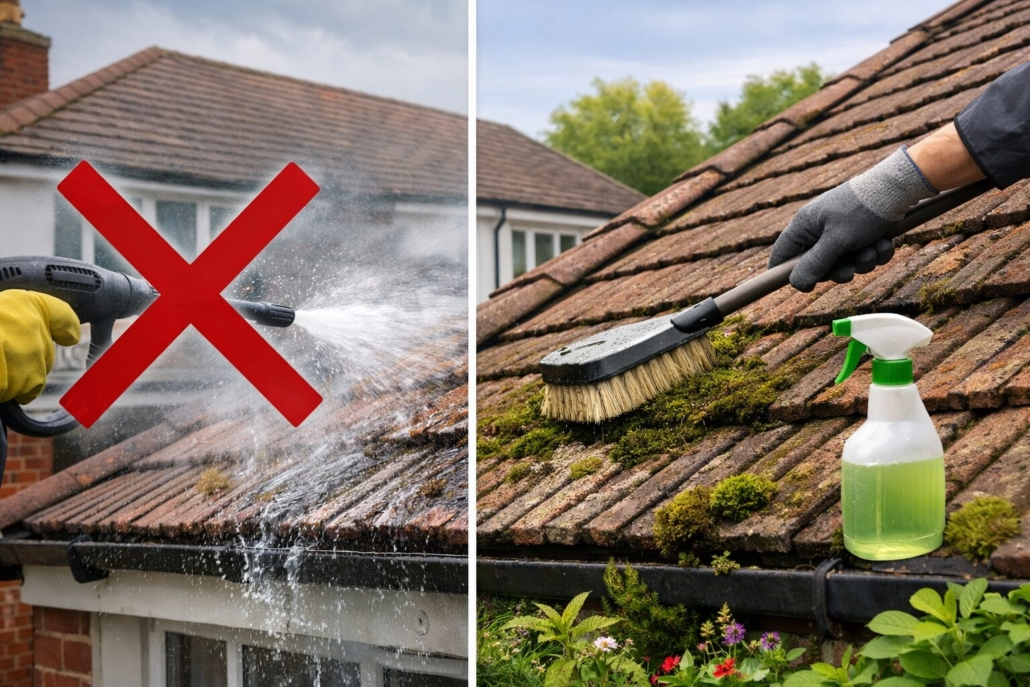
Why Pressure Washing a Roof Is a Bad Idea (and What to Do Instead)
If you have noticed moss building up on your roof, you have probably seen adverts promising a “quick clean” with a pressure washer. It sounds efficient, it looks dramatic in videos and some contractors will tell you it is the best way to get instant results. In reality, most roofs are not designed to be pressure washed. A roof is a protective system made up of tiles or slates, pointing, flashing, underlay and membranes. It is built to shed water down and away, not to have water blasted against it at high force. Phoenix Cleaning Sussex specifically avoids pressure washing for roof moss removal because it can cause unnecessary damage, and there is no need to pressure wash a roof to do a first-class job.
Phoenix cleaning sussex – Below is a practical guide explaining what can go wrong with pressure washing, what a safer alternative looks like and how to get a longer-lasting result. What pressure washing can do to a roof. A pressure washer is designed for hard surfaces such as patios and driveways. Roof materials are different. Even when tiles look solid, they can have fragile edges, weathered surfaces and vulnerable joints.
Common issues include:
1) Dislodged or cracked tiles
The force of water can lift tiles at the lap edges or crack brittle sections. One loose tile can lead to wind-driven rain getting underneath and causing internal damp.
2) Water driven under the tiles
A roof relies on overlap and gravity. Pressure washing can push water up under the tile courses, reaching the underlay or roof timbers. That is the opposite direction a roof is meant to handle.
3) Damage to pointing and flashings
Ridge pointing and mortar fillets can be eroded. Flashing seals can be disturbed. These are small details that create big problems later.
4) Stripping protective finishes
Some roof tiles have surface coatings that help them resist water and weathering. High-pressure water can remove that layer, which can accelerate future growth and wear.
5) A short-term cosmetic win, followed by fast regrowth
Pressure washing may remove the visible moss, but it does not automatically deal with spores embedded in the surface. Phoenix’s approach emphasises treatment that gets down and kills spores for a longer-lasting result.
Why moss keeps coming back
Moss does not appear by accident. It thrives when moisture lingers. In West Sussex that can be driven by shade, roof orientation, surrounding trees, blocked gutters and persistent damp conditions. Moss behaves like a sponge. It holds moisture against the roof surface, which can increase freeze-thaw stress in colder snaps and keep tiles wetter for longer. It also sheds debris into gutters and valleys, increasing the risk of blockages and overflow. If you only “blast it off” without treating the root cause and the spores, you often end up repeating the job sooner than you should.
What a safer, longer-lasting alternative looks like
A professional non-pressure roof moss removal service focuses on three priorities:
1) Remove the bulk growth carefully – This is typically a manual process, carried out in a controlled way so tiles, ridges and surrounding areas are respected. The aim is to lift away moss without forcing water into the roof structure.
2) Apply a proper treatment – Phoenix Cleaning Sussex highlights a system that does not rely on harsh or corrosive chemicals and uses 100% eco-friendly products that are safe for pets, gardens and surrounding surfaces. Crucially, the treatment is designed to kill spores, not just the visible surface growth, so results last longer.
3) Leave the site tidy, and address flow points. A roof clean should not end with debris left in gullies or gutters. Reviews on the Phoenix site frequently mention roof moss removal combined with gutter clearing and treatment, with clear explanations and tidy work.
“But I want it to look clean straight away” It is reasonable to want a visible improvement. The good news is you can get it without the risks of pressure washing. The immediate result comes from careful removal of the bulk moss. The longer-term improvement comes from the treatment doing its work over time, helping to prevent quick regrowth. Also, a roof’s “original character” matters, especially on older properties. Phoenix states their system is designed to clean while preserving the look and original character of the roof.
How to choose a contractor for roof moss removal in West Sussex
When comparing quotes, ask direct questions. A reputable contractor should be comfortable answering them clearly:
Are you using pressure washing on the roof itself? (If yes, why?)
What treatment is applied afterwards, and is it designed to deal with spores?
Are the products eco-friendly and safe for gardens and pets?
Are you fully insured? Will you clear gutters and tidy moss debris from the site?
Phoenix positions itself as a local family-run firm with over 30 years of experience across Sussex, owner-led accountability and a non-pressure, eco-friendly approach.
Frequently asked questions
Is pressure washing ever acceptable on a roof?
In most domestic scenarios, it introduces avoidable risk. A non-pressure approach is typically safer for the roof system.
Does treatment stain the roof or harm plants?
Phoenix states all products used are 100% eco-friendly and safe for pets, gardens and surrounding surfaces.
How long does roof moss removal take?
It depends on roof size, access and severity. A survey will give an accurate estimate.
Will moss come back?
All roofs can develop growth again over time, but spore-focused treatment helps slow regrowth.
Do you cover my area?
Phoenix covers many West Sussex locations including Worthing, Littlehampton, Bognor Regis, Shoreham-by-Sea, Horsham and more.
Call to action
If you want roof moss removed without pressure washing and without harsh chemicals, contact Phoenix Cleaning Sussex for a free survey and no-obligation quote. Landline 01903 773808 | Mobile 07511 529068 | info@phoenixcleaningsussex.co.

 ReviewVault
 Google
 Facebook
 Trade
Trade
Leave a Reply
Want to join the discussion?Feel free to contribute!