
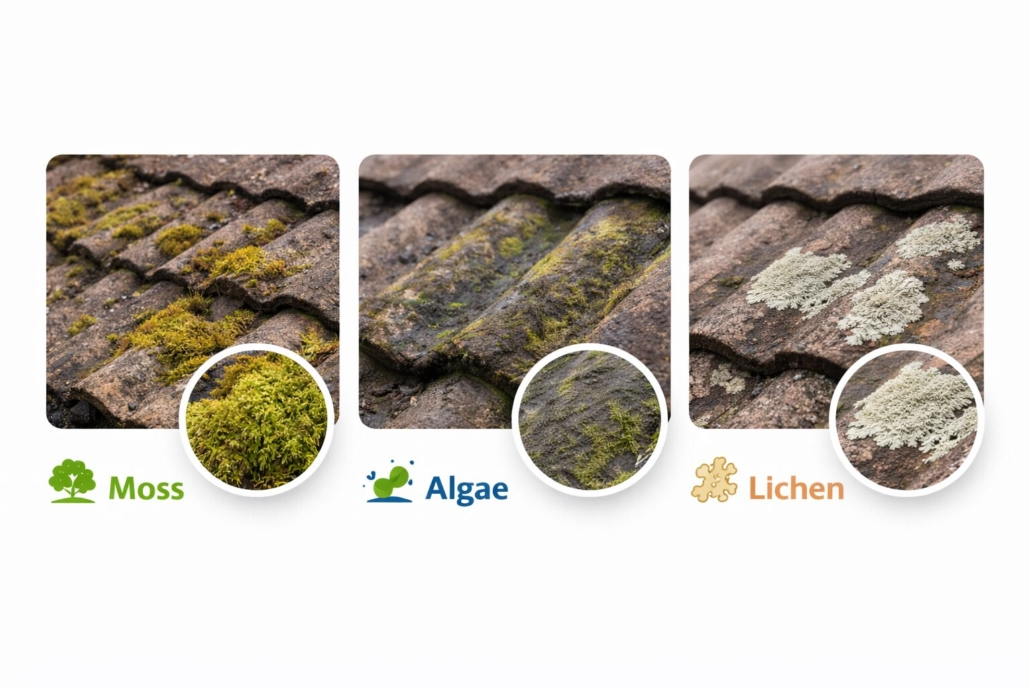
Moss, Algae or Lichen? How to Identify What’s on Your Roof and When to Treat It
Most homeowners use the word “moss” to describe any green or dark growth on a roof. In practice, there are three common culprits: moss, algae and lichen. They look different, behave differently and respond best to a sensible, non-damaging approach. This guide will help you identify what you are seeing, understand whether it is purely cosmetic or potentially harmful and decide when it is time to book a professional roof moss removal service in West Sussex.
Phoenix Cleaning Sussex specialises in non-pressure roof moss removal and treatment, using eco-friendly products and avoiding harsh chemicals, which is particularly important when you are treating organic growth rather than just blasting it away.
1) Roof moss: the “spongy” growth
What it looks like: Green clumps or tufts, often thick at the lower edge of roof tiles, Commonly found on north-facing slopes, shaded areas and older roofs.
Why it matters:
Moss holds moisture and expands as it grows. On tiled roofs it can lift edges, trap debris and encourage water to linger. That extra moisture can contribute to weathering and makes gutters more likely to block as moss breaks away in chunks.
When to treat:
If you can see moss from ground level, it is usually worth treating sooner rather than later. Thick moss can shed suddenly during storms and cause immediate gutter problems.
2) Algae: the “film” or streaking
What it looks like:
Dark streaks or patches, Sometimes a greenish film, often subtle at first
Why it matters:
Algae can be mostly cosmetic, but it indicates persistent damp conditions on the roof surface. Where algae thrives, moss is more likely to follow. Treating early can improve appearance and reduce the chance of heavier growth later.
When to treat:
If the roof looks darker than it used to, particularly in shaded areas, a gentle clean and treatment can restore kerb appeal and help reduce future growth.
3) Lichen: the “crusty” spots
What it looks like:
Round, crust-like patches, often pale grey, yellow or off-white
Can appear flatter and more “stuck on” than moss
Why it matters:
Lichen can bond tightly to surfaces. It tends to develop slowly, but once established it can be stubborn. The goal is to avoid aggressive methods that damage the tile surface. A controlled non-pressure approach is typically preferable.
When to treat:
If lichen is spreading and affecting the appearance of the roof, or if you are planning to sell and want a cleaner look, it is sensible to address it with a professional method.
Why identification matters: treating the cause, not just the symptom
A roof can have more than one type of growth at once. For example, algae film creates the damp conditions moss loves, while lichen can colonise areas that stay moist. The best results come from: removing bulk growth gently, and applying a treatment that targets spores and organic remnants so regrowth is slowed.
Phoenix notes their products are designed to kill spores for a longer-lasting treatment, and that they do not rely on harsh or corrosive chemicals.
Why roofs in West Sussex are prone to organic growth
West Sussex has plenty of conditions that support moss and algae:
Coastal moisture and wind-driven rain in places like Worthing, Shoreham and Littlehampton. Shaded roof slopes from mature trees, North-facing pitches that dry slowly. Blocked gutters and valleys that keep roof edges damp.
If you already have moss, you should also think about your gutter flow. Many homeowners book roof moss removal and gutter cleaning together because they are part of the same water-management system. Reviews on Phoenix’s site specifically reference roof cleaning, gutter clearing and treatment as a combined job.
What to avoid: quick fixes that create bigger problems
The biggest mistake is choosing an approach that risks the roof to achieve a fast cosmetic result. Phoenix is explicit: roofs are not designed to be pressure washed, and you do not need pressure washing to remove and treat moss, algae and lichen properly.
You should also avoid unverified “strong chemical” shortcuts. If the runoff affects lawns, borders or pets, it is not worth it. Phoenix positions their products as 100% eco-friendly and safe for pets and gardens.
A simple homeowner checklist: do I need professional treatment?
You likely need an assessment if:
- Moss is visible from the street, especially along the tile edges
- Gutters overflow in rain or you see moss clumps in downpipes
- The roof has heavy shading and stays damp for long periods
- You are seeing patchy lichen that seems to be spreading
- You are planning exterior improvements (driveway clean, UPVC, repainting) and want the roof to match
Frequently asked questions
Can I scrape moss off myself?
DIY scraping can be risky due to height and because it is easy to crack tiles or miss underlying issues. Professional access and method matter.
Is all growth harmful?
Not always. Algae may be cosmetic, but it signals damp conditions. Moss is more likely to cause practical issues.
Will an eco-friendly treatment work?
Phoenix states their approach uses 100% eco-friendly products and is designed to kill spores for longer-lasting results.
Do you need to pressure wash to get good results?
Phoenix’s position is clear: there is no need to pressure wash a roof to do a first-class job, and they do not pressure wash roofs.
Call to action
If you are unsure whether you are dealing with moss, algae or lichen, the quickest next step is a professional survey and quote. Phoenix Cleaning Sussex offers non-pressure roof moss removal with eco-friendly products and local, owner-led service across West Sussex.
Landline 01903 773808 | Mobile 07511 529068 | info@phoenixcleaningsussex.co.

 ReviewVault
 Google
 Facebook
 Trade
Trade
Leave a Reply
Want to join the discussion?Feel free to contribute!